
When a person survives an overdose, it’s often because someone knew what was happening and how to take action.
If you have friends or family who use drugs, or work around a lot of other people in general, it’s important that you know what an overdose looks like in case it happens. Once you recognize that someone is overdosing, you can take action by calling 911 and giving naloxone.
Community-Centered Naloxone Training Video
Project Weber/RENEW created a naloxone training video as a part of a grant by the Rhode Island Department of Health. The video was created by experienced staff in the field and represents a community-centered approach to identifying and responding to overdoses with naloxone.
How to recognize an overdose

Breathing slowly
A person may have very slow, shallow breaths, make gurgling noises, or stop breathing.

Can’t be woken up
They may be awake but unable to talk or may not respond when you try to wake them up.
Changes to skin tone
Their skin tone can turn grayish or ashen to bluish purple.
How to respond to an overdose
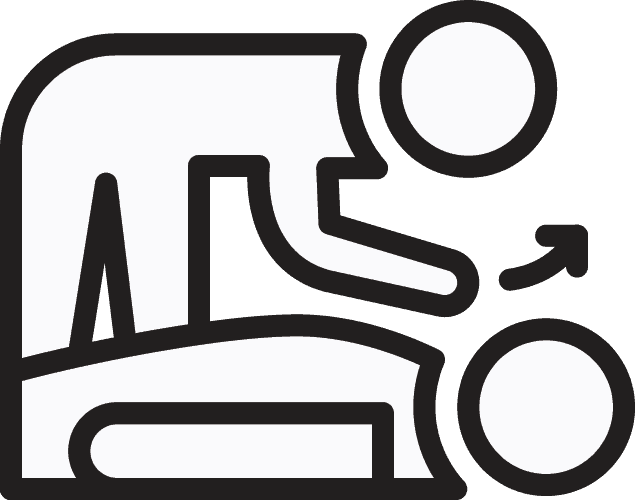
Try to wake the person up
Call their name and rub the middle of their chest with a closed fist. If they don’t respond or are having trouble staying awake, it is time to call 911.
Call 911
The Rhode Island Good Samaritan Law provides legal protection when you call 911 when someone is overdosing, whether a person has drugs on them or not. Give your exact location as best you can. Say if the person is conscious (awake) or not. Say if the person’s breathing has slowed down or stopped.
Give naloxone
Naloxone (also known as Narcan®) is a medicine that can reverse an opioid overdose, like an overdose caused by fentanyl or heroin. Naloxone is safe to use, but only works if a person has opioids in their body. If the person does not have opioids in their body, the naloxone has no effect, and it does not cause harm. Follow the directions for nasal or intramuscular naloxone kits. Learn more about where to Get Naloxone.
Support breathing
If the person is breathing again after naloxone but is still sedated, they don’t need more naloxone. If the person is not breathing, perform rescue breathing and start CPR as directed by 911. Be prepared to give a second dose of naloxone. If the person is not breathing after two to three minutes, give a second dose of naloxone.

Recovery position
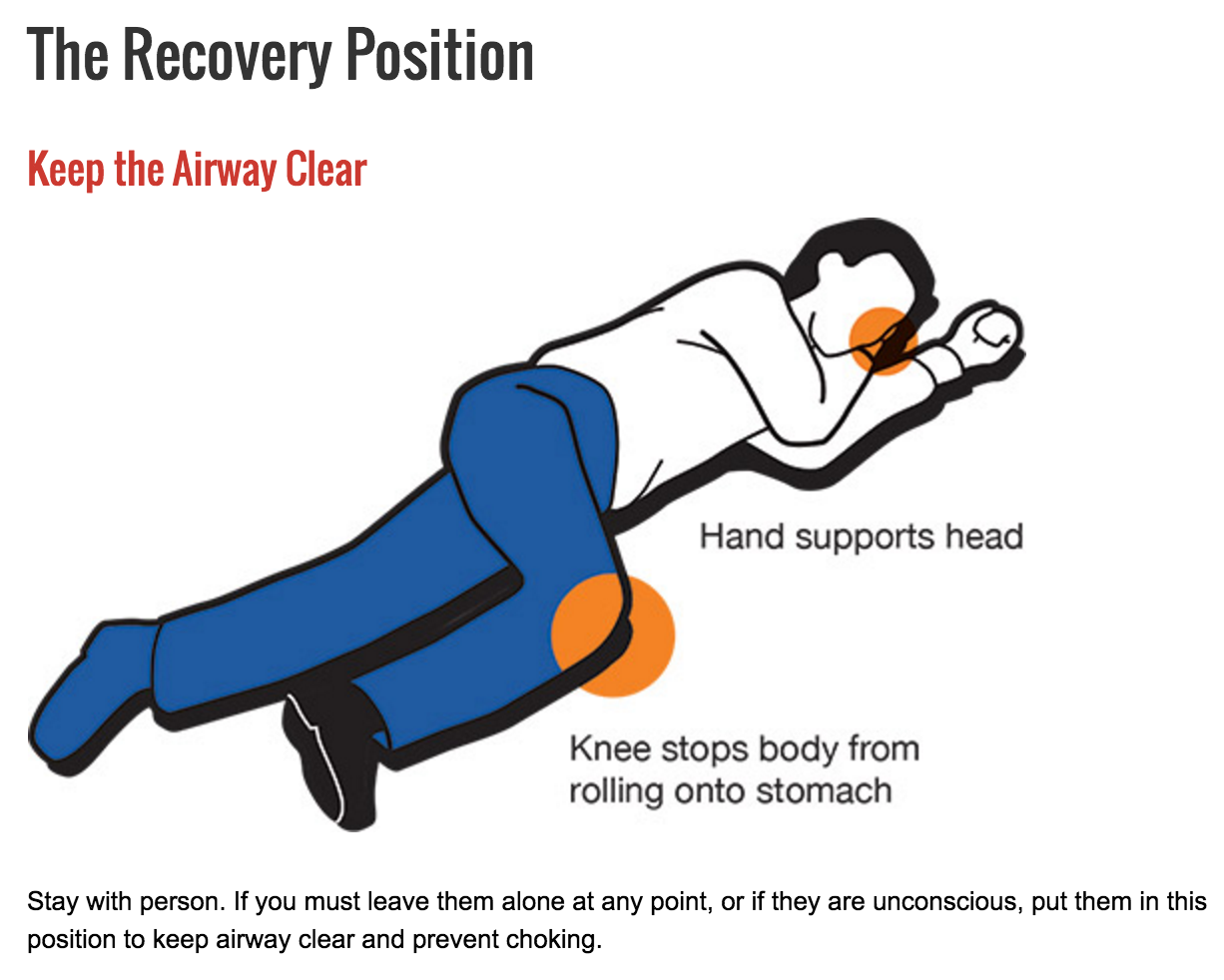
Put the person on their side in the recovery position with their body supported by a bent knee. This will help keep their airway clear and stop them from choking if they throw up. Naloxone typically wears off in 30-90 minutes.
How to recognize and respond to overamping
If someone takes too much of a stimulant, like coke, meth, crack, or MDMA, they may have a stimulant overdose, sometimes called “overamping.” Overamping is when a person is experiencing uncomfortable symptoms after using stimulants. Overamping can look and feel different for each person depending on the type of stimulant, the amount, how it’s consumed, and the person’s physical or mental health.
It is important to know how to recognize overamping and how to respond in the case of an emergency.
Harm reduction for stimulant use
If you use stimulants, be sure you’re well rested, eat and drink water, go slow, and use where you feel safe with people around you who can help if you need it. It is also important to get your heart checked during regular visits with your healthcare provider.
You can also connect with a harm reduction organization to get new supplies and learn ways to lower your risk. Regardless of what drugs are being used, it is important to always have naloxone in case there is an opioid overdose. Naloxone will not have an effect on overamping due to stimulants.
How to recognize overamping
When someone is having an overamp, they may feel different physical and/or mental symptoms.
Physical symptoms: Hot, flushed or sweaty skin, headaches, chest pain, unsteadiness, rigid muscles, tremors, or spasms, involuntary movements or seizures, difficulty breathing
Mental symptoms: Extreme anxiety, intense panic, restlessness, agitation, increased aggression, hallucinations or delusions, enhanced sensory awareness
How to respond to overamping
There is no medication to reverse an overamp, but there are things you can do to help manage the effects.
How to respond to an overamp
Slow down and drink water.
Cool off by using ice, mist, or a fan.
Place a cool, wet cloth under armpits, back of knees, and/or on the forehead.
If inside, open a window for fresh air.
If responding to someone else, stay with them, do not leave them alone.
Go to a safe and quiet place away from bystanders and loud noises.
When is an overamp an emergency?
If you see signs of a heart attack, stroke, seizure, or hyperthermia, or if breathing slows or stops, call 911. If breathing slows or stops, or a person starts experiencing signs of an opioid overdose, administer naloxone and follow opioid overdose response steps before help arrives.
MORE RESOURCES
Download our infographics
Learn how to recognize and respond to an overdose quickly with these shareable infographics.
Get Naloxone
You should have naloxone in case you need to respond to an overdose. In Rhode Island, you can get naloxone from a local organization, pharmacy, or delivered to your home.